
This company has no active jobs
0 Review
Rate This Company ( No reviews yet )
Company Information
- Total Jobs 0 Jobs
- Category Primary & Secondary Healthcare Department Lahore Jobs
- Location Shikhupora
About Us
What is a Jatropha Curcas Tree: Jatropha Uses in The Landscape

When you buy through links on our website, we may make an affiliate commission. Here’s how it works.
Jatropha (Jatropha curcas) was when promoted as the new wunderkind plant for biofuel. What is a Jatropha curcas tree? The tree or bush grows in any kind of soil at a fast rate, is poisonous, and produces fuel fit for diesel engines. Keep reading for more Jatropha tree info and see how you rate this plant.
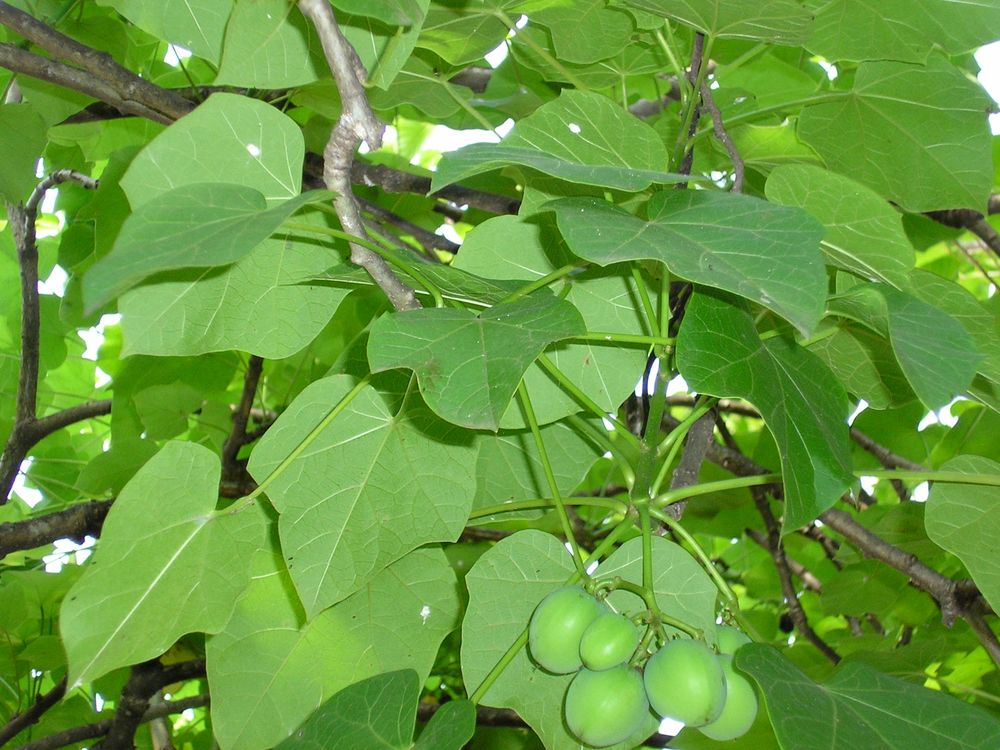
What is a Jatropha Curcas Tree?
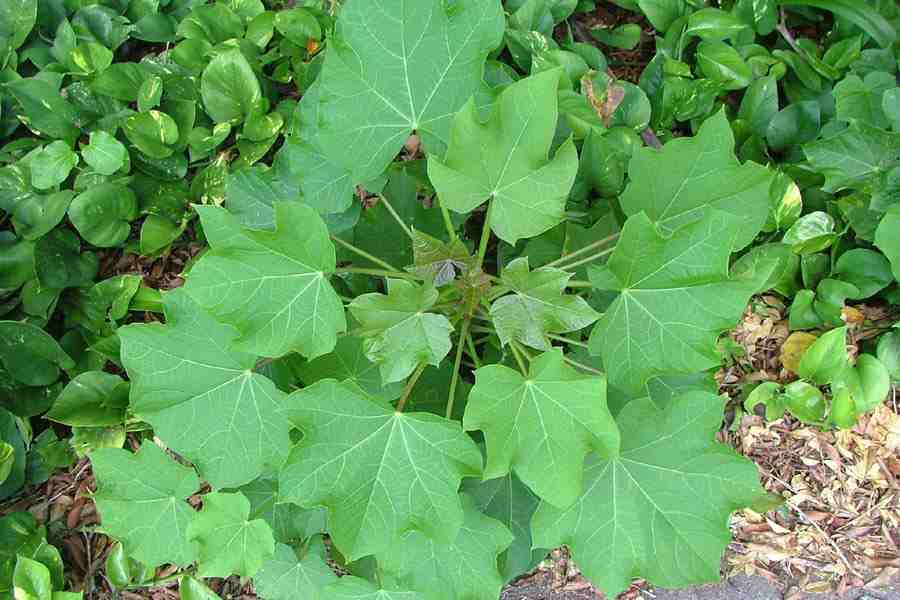
Jatropha is a seasonal shrub or tree. It is drought-resistant and easy to grow in tropical to semi-tropical places. The plant lives for as much as 50 years and might grow nearly 20 feet (6 m.) tall. It has a deep, thick taproot that makes it versatile to poor, dry soil. The leaves are oval, lobed, and deciduous. Overall, the plant is not especially visually enticing, but it does get appealing green cymes of flowerets which turn into a tri-compartment fruit with large black seeds. These large black seeds are the factor for all the hullaballoo, because they are high in burnable oil. A fascinating piece of Jatropha tree info is that it is listed as a weed in Brazil, Fiji, Honduras, India, Jamaica, Panama, Puerto Rico, and Salvador. This proves how adaptable and hardy the plant is even when introduced to a new area. Jatropha curcas growing can produce oil that is a great replacement for present biofuels. Its usefulness has been challenged, however it holds true the plant can produce seeds with an oil material of 37%. Unfortunately, it is still a part of the food vs. fuel argument, as it needs land that could enter into food production. Scientists are attempting to establish a “super Jatropha” with larger seeds and, therefore, larger oil yields.
Jatropha Curcas Cultivation
Jatropha usages are rather restricted. Most parts of the plant are poisonous to eat due to the latex sap, however it is utilized as a medicinal. It works in treating snakebite, paralysis, dropsy, and apparently some cancers. The plant may have originated in Central to South America, however it has actually been introduced around the world and flourishes wild in locations like India, Africa, and Asia. Chief among jatropha curcas utilizes is its prospective as a tidy burning fuel to change nonrenewable fuel sources. Plantation cultivation in specific areas has been tried, however total Jatropha curcas cultivation has actually been a disappointing failure. This is due to the fact that the production mass of oil can not equal the land use by cropping Jatropha.
Jatropha Plant Care and Growth
The plant is simple to grow from cuttings or seed. Cuttings lead to quicker maturity and quicker seed production. It chooses warm climates, but it can endure a light frost. The deep taproot makes it drought-tolerant, although the very best development will be accomplished with extra watering periodically. It does not have any major disease or insect issues in its natural areas. It may be pruned, but flowers and fruit type on terminal growth, so it is best to wait till after flowering. No other Jatropha plant care is . This plant works as a hedge or living fence, or simply as an ornamental stand-alone specimen.
Gardening pointers, videos, information and more provided right to your inbox!
Register for the Gardening Know How newsletter today and get a totally free download of our DIY eBook “Bring Your Garden Indoors: 13 DIY Projects For Fall And Winter”.
Bonnie Grant is an expert landscaper with a Certification in Urban Gardening. She has been gardening and composing for 15 years. A former professional chef, she has an enthusiasm for edible landscaping.