
This company has no active jobs
0 Review
Rate This Company ( No reviews yet )
Company Information
- Total Jobs 0 Jobs
- Category INTELLIGANCE OFFICER JOB AT BOARD OF REVENUE DIVISION
- Location Sukkar
About Us
NHS: A Universal Embrace
In the sterile corridors of Birmingham Women’s and Children’s NHS Foundation Trust, a young man named James Stokes navigates his daily responsibilities with subtle confidence. His polished footwear barely make a sound as he greets colleagues—some by name, others with the familiar currency of a “good morning.”
James carries his identification not merely as institutional identification but as a testament of inclusion. It sits against a pressed shirt that betrays nothing of the tumultuous journey that preceded his arrival.
What sets apart James from many of his colleagues is not obvious to the casual observer. His demeanor gives away nothing of the fact that he was among the first beneficiaries of the NHS Universal Family Programme—an effort created purposefully for young people who have spent time in care.
“I found genuine support within the NHS structure,” James reflects, his voice controlled but tinged with emotion. His observation encapsulates the essence of a programme that aims to reinvent how the vast healthcare system perceives care leavers—those vulnerable young people aged 16-25 who have graduated out of the care system.
The numbers paint a stark picture. Care leavers commonly experience poorer mental health outcomes, financial instability, accommodation difficulties, and diminished educational achievements compared to their age-mates. Behind these clinical numbers are individual journeys of young people who have navigated a system that, despite genuine attempts, frequently fails in delivering the nurturing environment that shapes most young lives.
The NHS Universal Family Programme, established in January 2023 following NHS England’s promise to the Care Leaver Covenant, embodies a significant change in organizational perspective. At its core, it acknowledges that the whole state and civil society should function as a “universal family” for those who haven’t experienced the security of a traditional family setting.
Ten pathfinder integrated care boards across England have led the way, developing structures that reconceptualize how the NHS—one of Europe’s largest employers—can open its doors to care leavers.
The Programme is thorough in its strategy, starting from thorough assessments of existing policies, forming governance structures, and securing senior buy-in. It understands that meaningful participation requires more than noble aims—it demands concrete steps.
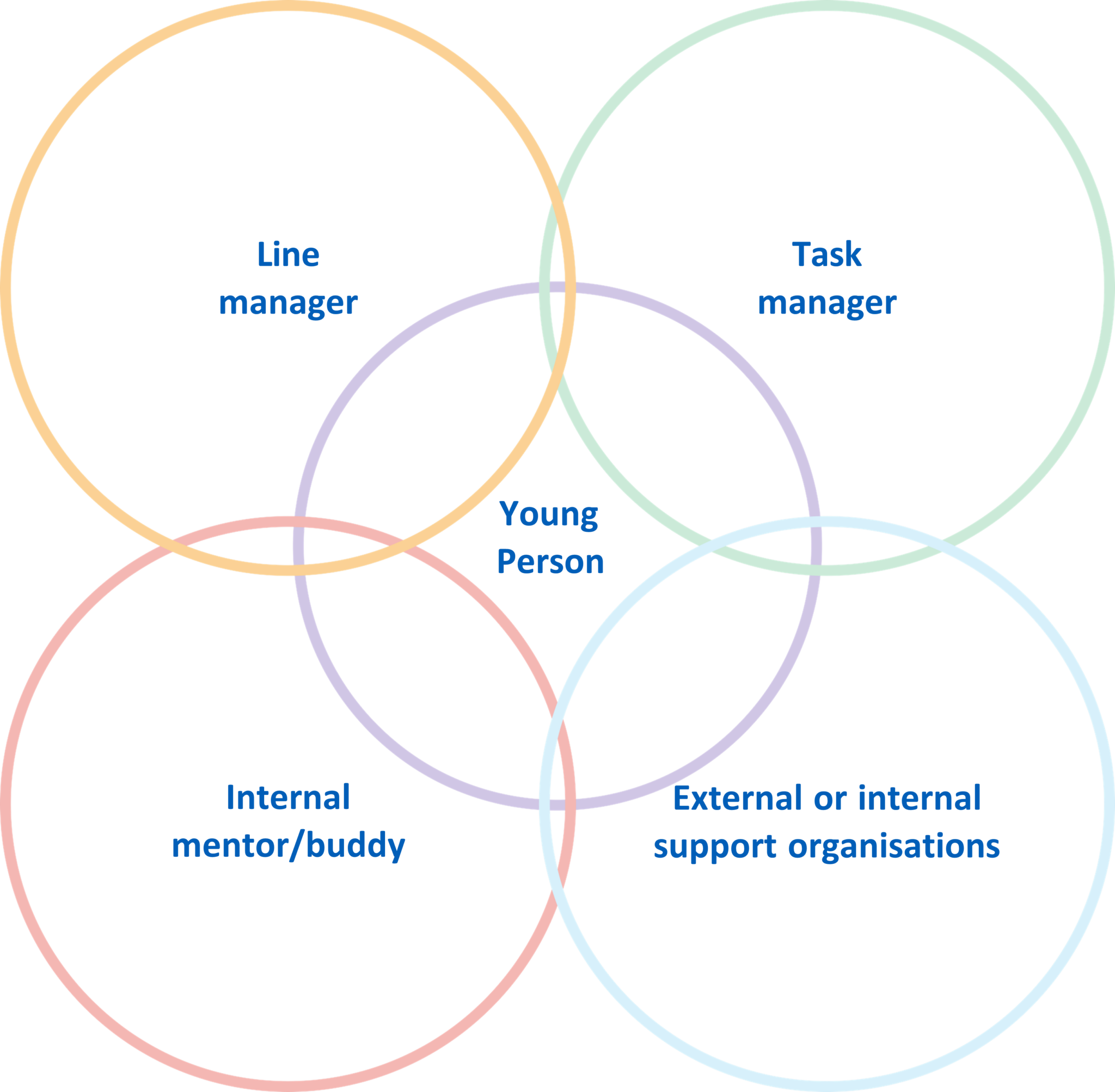
In NHS Birmingham and Solihull ICB, where James found his footing, they’ve established a consistent support system with representatives who can provide support, advice, and guidance on mental health, HR matters, recruitment, and equality, diversity, and inclusion.
The traditional NHS recruitment process—rigid and potentially intimidating—has been intentionally adjusted. Job advertisements now highlight personal qualities rather than long lists of credentials. Application processes have been reconsidered to address the specific obstacles care leavers might face—from lacking professional references to having limited internet access.
Perhaps most significantly, the Programme understands that beginning employment can present unique challenges for care leavers who may be navigating autonomy without the support of parental assistance. Issues like travel expenses, personal documentation, and banking arrangements—considered standard by many—can become major obstacles.
The beauty of the Programme lies in its thorough planning—from outlining compensation information to providing transportation assistance until that crucial first salary payment. Even ostensibly trivial elements like coffee breaks and office etiquette are deliberately addressed.
For James, whose professional path has “changed” his life, the Programme provided more than a job. It provided him a sense of belonging—that intangible quality that grows when someone senses worth not despite their past but because their distinct perspective improves the workplace.
“Working for the NHS isn’t just about doctors and nurses,” James observes, his eyes reflecting the subtle satisfaction of someone who has secured his position. “It’s about a collective of different jobs and roles, a team of people who genuinely care.”

The NHS Universal Family Programme exemplifies more than an job scheme. It exists as a powerful statement that organizations can adapt to welcome those who have known different challenges. In doing so, they not only alter individual futures but enhance their operations through the special insights that care leavers provide.
As James navigates his workplace, his involvement subtly proves that with the right assistance, care leavers can succeed in environments once deemed unattainable. The arm that the NHS has offered through this Programme symbolizes not charity but recognition of overlooked talent and the profound truth that each individual warrants a family that champions their success.